
"Ethiopian highlands"
900 article(s) found

Ethiopian coffee brands recommend Ethiopian coffee beans how to buy Ethiopian coffee prices
Professional coffee knowledge exchange more coffee bean information please follow the coffee workshop (Wechat official account cafe_style) Ethiopia is known as the birthplace of coffee, it is a local custom, no matter how poor people's homes, they must have a coffee pot and a charcoal stove, why? Because coffee is something that local people think they have to make every day.

Introduction to the description of Flavor of Ethiopian Coffee Bean by Variety treatment
Ethiopia grows coffee in different climatic zones, so it has more than 140 farm varieties, and fresh coffee is produced all the year round. The quality of Ethiopian coffee varies according to different elevations and regional ecological environment. The Harar coffee in the southeast highland is a typical Muha coffee with a strong flavor; the coffee produced in the southwest Wollega has a rich fruity flavor; Limu coffee

Introduction of Ethiopian Sidamo Coffee beans at High altitude
Sidamo grows in the southernmost Ethiopian plateau between 4600 and 7200 feet above sea level (Sidamo province). It is a famous boutique coffee area in southern Ethiopia, bordering Kenya, southeast of Gemma, just south of the capital, usually sweet and loved by most people. its annual output is about 225000 bags / 60kg, with a smaller bean body than Longberry, with gray in the green, in Sidamo.

Overview of Ethiopia Green Coffee beans Why buy Ethiopian Green Coffee beans
Coffee beans in the Yirgacheffe Yegashifi, Sidmao Sidamo, Harrar Hara and Limulim regions are located in the Ethiopian highlands and account for 63 per cent of Africa's contribution to the global supply of raw coffee beans according to regional symbols. Ethiopia has long been coveted for its famous Arabica coffee tree and its aromatic and rich coffee beans. Yirgac of Sidamo province

Characteristics of Ethiopian Coffee beans Grinding scale Variety treatment Manor
Total Ethiopian coffee production Ethiopia's Buna (coffee) ceremony is a long process, averaging about 1.5 hours. The ceremony, which takes place every day, aims to come to the conclusion that it may be a marriage proposal or a mediation of family conflict. The first is roasted coffee beans. When the coffee beans are roasted, the coffee will be made by women (who often dress up).

Ethiopian coffee unpopular knowledge Ethiopian coffee culture
Professional coffee knowledge exchange more coffee bean information please follow the coffee workshop (Wechat official account cafe_style) Ethiopia is known as the birthplace of coffee, it is a local custom, no matter how poor people's homes, they must have a coffee pot and a charcoal stove, why? Because coffee is something that local people think they have to make every day.

Ethiopian coffee flavor Ethiopian coffee characteristics Ethiopian coffee taste
Ethiopia has unique natural conditions suitable for growing all imaginable varieties of coffee. As a upland crop, Ethiopian coffee beans are mainly grown in areas between 1100 and 2300 meters above sea level, roughly distributed in southern Ethiopia. Deep soil, well drained soil, weakly acidic soil, laterite and soil are soft and contain

Ethiopian Coffee Manor with rich taste introduces the taste of Ethiopian coffee producing areas
Harald coffee, which grows within 900m from the Darolebu plain to 2700 m from the highland mountain range of Chercher in eastern Ethiopia. These mountains do provide unique characteristics for these perennial coffee beans: the fruit is full and long, moderately acidic, and the typical mocha is refreshing.

Introduction to the growing environment of Ethiopian coffee introduction to Yega Snow Coffee Manor
Ethiopian coffee beans grow in close to the natural environment, after years of planting under the same growth conditions, Ethiopian coffee beans have gradually adapted to the environment here. More than 60% of coffee beans are grown in forests or semi-forests. Large-scale coffee-growing villages account for about 35% of the country's total coffee production. Many of these are used.
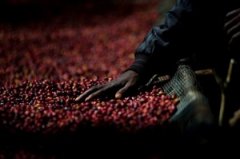
The hometown of coffee in eastern Africa, Ethiopian boutique coffee beans.
Ethiopia Coffee producing area: the full name of the Federal Democratic Republic of Ethiopia (formerly known as Abyssinia) is a country located in northeast Africa. English name: The Federal Democratic Republic of Ethiopia, Ethiopia is the country of origin and hometown of coffee. The most famous coffee beans in Ethiopia are Yega Xuefei and Harald.

World-famous Ethiopian Coffee
Following Cafe Review (Wechat official account vdailycom) found that Beautiful Cafe opened a small shop of its own. The world-famous Ethiopian coffee mainly has: 1. Limu coffee grows between 1400 meters and 2000 meters above sea level. Wash the coffee. Excellent quality, with strong nut aromas, suitable acidity, with the intensity of wine. The annual output is 29000 tons. 2. Jima Coffee growth

Hand-brewed Ethiopian Sun-baked Coffee What flavor does Sidamo Sun-baked Hero Coffee have? Share
Professional coffee knowledge exchange More coffee bean information Please pay attention to coffee workshop (Weixin Official Accounts cafe_style) Front Street-Ethiopia Sun-baked Coffee, Wash Coffee Features Introduction Sidama Different soil types, micro-climate and countless native coffee species, high mountains, plateaus, valleys and plains in the production area, diversified terrain, and the geology of the area belongs to cultivation.

Ethiopian coffee plantation with unique quality and moderate pH
Harar Coffee is produced in the eastern highlands of Ethiopia. It is medium bean-shaped and large

Ethiopian boutique coffee beans. Fruity coffee beans from Africa's famous producing areas.
Ethiopia is an agricultural country with a history and tradition of coffee origin. The place where the name coffee comes from is Kafa in the southwest, while Hitamo in the south is the main producer. The Eastern Highland Hara is as famous as the coffee name Hara.

An introduction to the estates of Ethiopian coffee-producing areas with the natural conditions for growing coffee
Sustainable coffee culture Ethiopian coffee beans grow in close to the natural environment, after years of planting under the same growth conditions, Ethiopian coffee beans have gradually adapted to the environment here. More than 60% of coffee beans are grown in forests or semi-forests. The villages that grow coffee in large areas account for about the total amount of coffee produced in the country.

Introduction of African Fine Coffee Bean producing countries-- Ethiopian Coffee characteristics Ethiopia
Ethiopia is an agricultural country with a history and tradition of coffee origin. The place where the name coffee comes from is Kafa in the southwest, while the Sidamo place in the south is the main producing area, and Yegashafi is one of the southern producing areas of Sidamo. The Eastern Highland Hara is as famous as the coffee name Hara. Ethiopia is an important coffee producer.

Introduction of African producing areas-- Ethiopian boutique coffee mocha
Well-known representative coffee: Mocha Harra, Yirgacheffe Essex across the Red Sea and Yemen, is the first place in the world to find coffee trees in Arabica, and coffee is grown almost everywhere in the country. Among them, the eastern Highland Hara (Harra) produces the famous Halamoka, which has a special wine aroma and acidity, and a Yemeni mocha.

Exquisite Ethiopian coffee beans Starbucks Ethiopian coffee
Ethiopia has unique natural conditions suitable for growing all imaginable varieties of coffee. As a upland crop, Ethiopian coffee beans are mainly grown in areas between 1100 and 2300 meters above sea level, roughly distributed in southern Ethiopia. Deep soil, well drained soil, weakly acidic soil, laterite and soil are soft and contain

Introduction of Ethiopian Sidamo Coffee description of characteristics and Flavor of Sidamo Coffee beans
Professional coffee knowledge exchange more coffee bean information please follow Coffee Workshop (Wechat official account cafe_style) Front Street Coffee-Ethiopian Sidamo Coffee introduction Sidamo State is located in southern Ethiopia, and the terrain is changeable, belonging to nutrient-rich volcanic soil. Sidamo Coffee is rich in acidity and strong aroma. Sidamo coffee is perfect between aroma and taste.

Ethiopian Coffee Manor Culture introduces Flavor
Coffee Culture Coffee beans in Ethiopia grow in close to the natural environment. After years of planting under the same growth conditions, Ethiopian coffee beans have gradually adapted to the environment here. More than 60% of coffee beans are grown in forests or semi-forests. Large-scale coffee-growing villages account for about 35% of the country's total coffee production.